Introduction
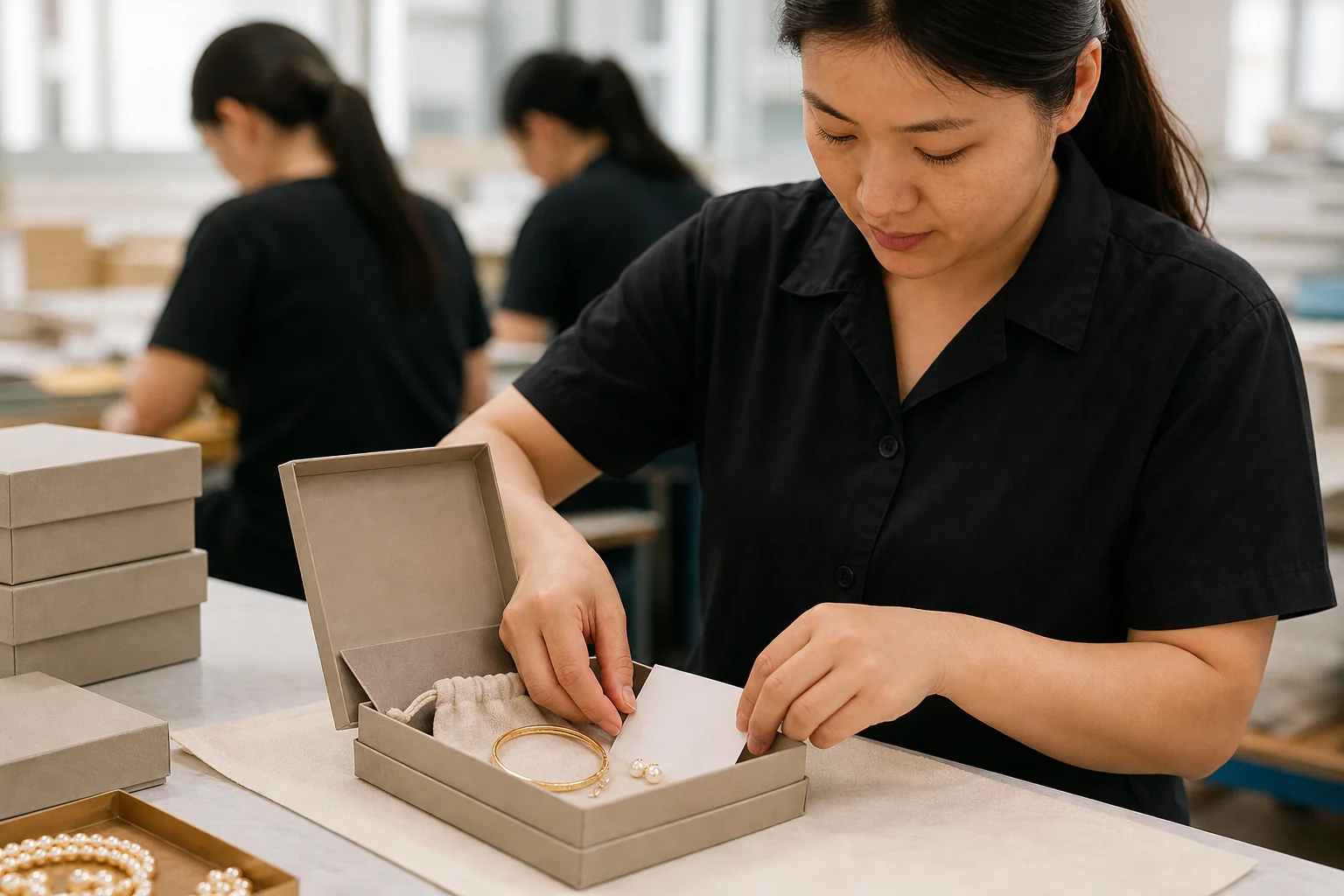
Build material-specific care copy without unsupported durability promises. For a B2B buyer, the useful question is not simply which option looks best in a supplier photo. It is how to make care-copy planning clear enough that a sample, quotation, production run, and shipment inspection all refer to the same decision. This guide is written for jewelry brands, wholesalers, importers, and purchasing teams preparing a defined product program.
At OWGOW, a project normally becomes easier to manage when customer requirements are converted into a dated product brief instead of remaining in scattered messages. Our standard MOQ is 100 pieces, sample planning is typically around three days after the design direction and materials are confirmed, and standard bulk production is typically 7–10 days after scope approval. Those are planning references, not unconditional promises: construction, revisions, components, packaging, capacity, and handover arrangements can change the actual schedule.
Why care-copy planning needs a written specification
Generic claims such as “waterproof” or “never tarnishes” are rarely a substitute for a defined product use and care position. A short written brief limits that risk because it makes the important choices inspectable. Use a product code and revision number, then keep photos, drawings, measurements, material notes, and approvals with that revision. If a supplier proposes an alternative, request the change in writing and decide whether it needs a revised sample.
The relevant information should also match the sales description. The U.S. Federal Trade Commission explains in its FTC Jewelry Guides that marketing claims about durability and product attributes should not be misleading. That guidance is not legal advice for an individual product or market, but it is a sound operational reason to align the finished item, catalog copy, care information, and available evidence before launch.
The buyer’s decision checklist
| Decision area | What to define | How to verify |
|---|---|---|
| Product identity | SKU, revision, photos, intended product application | Match against approved sample |
| Build and finish | base metal, surface finish, stones, pearls, closures, water and cosmetic exposure, storage, and cleaning method | Review a physical or representative sample |
| Acceptable variation | What may vary and what may not | Add notes to the golden-sample record |
| Presentation | Branding, labels, unit pack and outer pack | Check the packed configuration |
| Delivery readiness | Quantity, inspection evidence, named handover point | Confirm before collection |
Start with the wearer and the use case
Write down how and where the piece will be used. Everyday jewelry, occasion pieces, gift bundles, and display samples can need different choices even when they share a silhouette. Note any relevant fit, handling, contact, fastening, storage, or compatibility issue. This is installation preparation in the broad product sense: the product should be ready for its intended setting before a buyer approves it.
Turn preferences into checkable fields
Avoid asking a factory to “make it premium” or “match the photo” without further detail. Define the requested material and finish, identify the parts a purchaser considers critical, and specify how they will be compared. When a variable is unknown, list it as an open decision rather than allowing it to become an invisible assumption in a quote.
Mid-article CTA: send a specification for review
If you are preparing a new jewelry program, send OWGOW your reference images, target market, estimated quantity, material preference, and packaging direction. We can help identify the details needed for a quote-ready brief. [Send your requirements](../../index.html#contact) or email [info@owgow.com](mailto:info@owgow.com).
How to connect sampling to bulk production
The sample is a decision point, not merely a visual preview. Use it to check the elements that cannot be confirmed from a rendering: weight feel, movement, attachment security, finishing detail, fit, color, surface character, packaging interaction, and any buyer-specific requirement. Record whether each item is approved, approved with change, or pending. Retain an approved physical reference where practical.
Factory testing can be planned when the construction, target market, or customer requirements make it relevant. Ask what exactly is being assessed, which sample or component is involved, which method is used, and whether the result applies to the production configuration under discussion. Do not treat a generic document as proof for an unspecified future version.
Before bulk release, hold a short production handover review. Confirm the approved revision, bill of materials, finish, components, packaging, quantity by SKU, artwork, care or product information, timing assumptions, and the inspection plan. The most useful suppliers flag uncertainty early; buyers should make it safe for them to do so.
Inspection and shipping control
Shipment inspection should compare finished goods with the approved product reference and the written acceptance criteria. Depending on the project, the buyer may review product identity, quantity, visible finish, dimensions, functional parts, component security, branding, unit packs, labels, carton marks, and count records. A defect list should distinguish between an observation, an acceptable variation, and a condition requiring correction.
Document any production change before dispatch. This protects both parties: the buyer knows what was approved, and the supplier is not asked to meet a standard introduced after goods were completed. Agree the named delivery point and responsibility for collection, freight, insurance, duties, and import formalities separately from product acceptance.
A practical one-page approval record
- Put the SKU, revision, date, and product photo at the top.
- List base metal, surface finish, stones, pearls, closures, water and cosmetic exposure, storage, and cleaning method in a simple table.
- Attach the approved-sample notes and identify the retained reference.
- Record open points, owner, action, and deadline.
- State inspection evidence and packing requirements before bulk release.
- Confirm the production and shipment handover assumptions in the purchase record.
This format is deliberately simple. It works because it makes decisions visible to design, sourcing, production, quality, and logistics teams without requiring each person to reconstruct the brief from an email chain.
FAQ
When should a buyer lock the specification?
Lock the core build before bulk production begins, after the design direction, materials, finish, critical dimensions, components, and packaging direction have been reviewed. If something changes later, issue a dated revision and decide whether the change needs a new sample or updated quotation.
Can a supplier substitute a component if the original is unavailable?
Only after the buyer has been told what changes and has approved the alternative for the actual product application. A substitution may affect finish, weight, dimensions, customer claims, cost, packaging, or inspection criteria.
What should a buyer inspect before shipment?
Inspect against the approved reference and written criteria: the SKU, count, visible finish, critical function, component security, branding, packaging, labels, and carton condition. The right list depends on the product and market, so add project-specific checks before production starts.
Does a factory certificate replace product-specific evidence?
No. A certificate, audit, or report has a scope and date. Ask whether its subject, sample, method, and market relevance match the finished configuration you plan to sell.
Conclusion
Care cards are a practical private-label asset and a useful way to align product claims, packaging, and retail support. The strongest B2B brief is not the longest one; it is the one that makes the next decision unambiguous. Define base metal, surface finish, stones, pearls, closures, water and cosmetic exposure, storage, and cleaning method, keep the approved reference tied to the revision, and connect sample approval to factory testing where appropriate, bulk release, shipment inspection, and the final delivery handover.
CTA: Get a quote-ready review
Planning a jewelry project with a 100-piece MOQ? Send OWGOW your product brief, target market, estimated quantity, and packaging direction. We will reply with the information needed to move toward a controlled quotation and sample plan. [Get a quote](../../index.html#contact) or email [info@owgow.com](mailto:info@owgow.com).
ARTICLE TAGS
RELATED RESOURCES
Keep building the brief
Use these buyer resources to connect this decision with the next specification, approval, or sourcing step.
- Jewelry collections hub →
- How to Choose a Private Label Jewelry Manufacturer →
- Gold Vermeil vs. Gold-Plated vs. PVD Stainless Steel →
External buyer reference: FTC Jewelry Guides